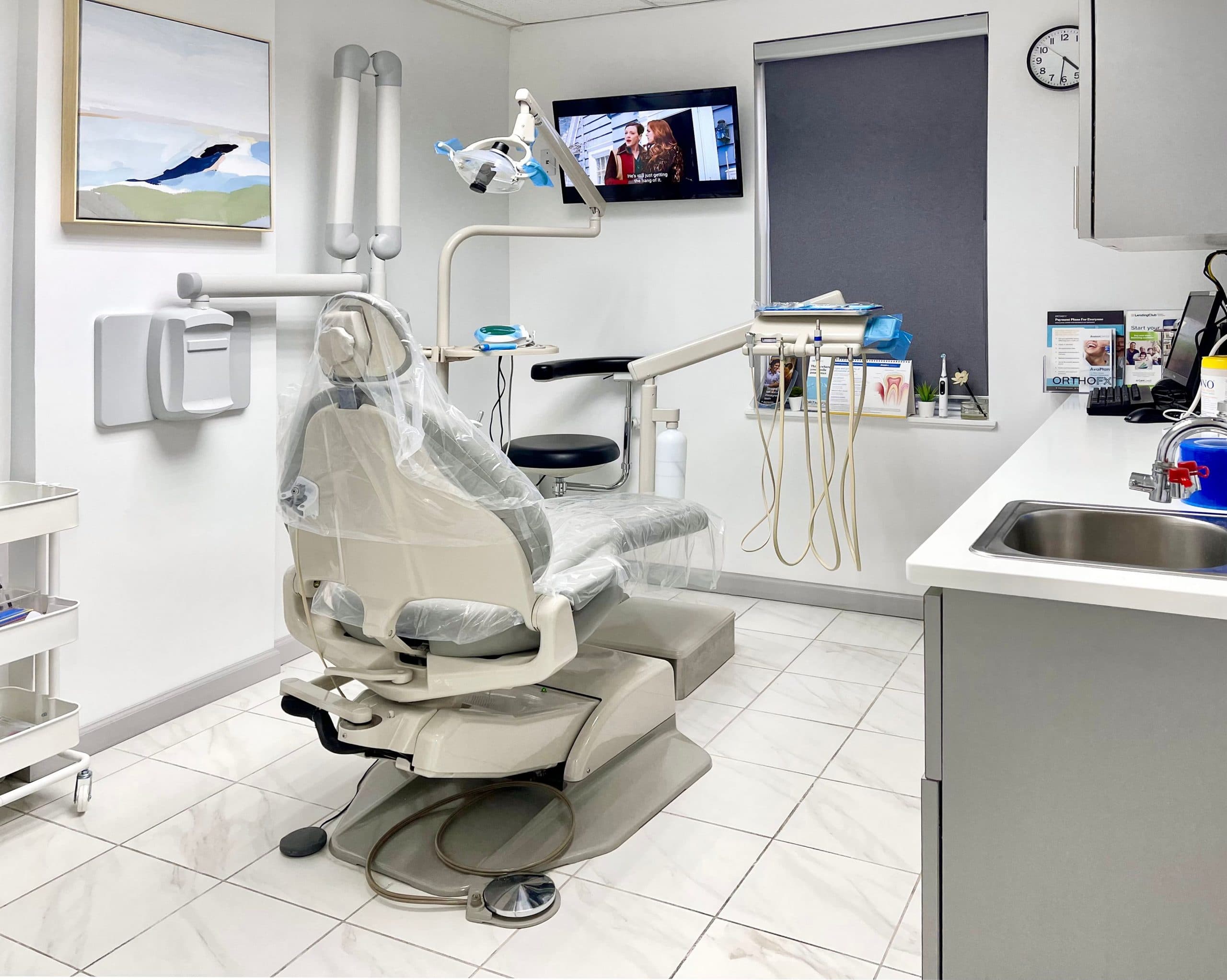
Dental cleanings and plaque removal involve a dental hygienist using professional instruments to scrape away plaque and hardened tartar (calculus) from your teeth and below the gumline. According to the CDC, approximately 47% of adults aged 30 and older have some form of gum disease, most of which begins with plaque buildup that is not removed. Brushing and flossing at home remove most plaque, but tartar can only be removed by a dental professional. This article explains what happens during a dental cleaning, why plaque removal matters, the difference between a standard cleaning and a deep cleaning, and how to keep your teeth free of buildup between visits.
What Dental Cleanings and Plaque Removal Actually Involve
A dental cleaning is a professional preventive procedure performed by a dental hygienist or dentist. The process starts with scaling, which is the removal of plaque and tartar from the surfaces of your teeth and along the gumline. The hygienist uses hand instruments called scalers and curettes, and may also use an ultrasonic scaler that vibrates to break up hardened deposits.
After scaling, the teeth are polished with a gritty paste that removes surface stains and smooths the enamel. Smooth tooth surfaces make it harder for new plaque to stick. The visit ends with professional flossing to remove any remaining debris from between the teeth.
According to the National Institute of Dental and Craniofacial Research (NIDCR), plaque that is not removed daily can harden into tartar. Once tartar forms, it cannot be removed with a toothbrush. Only a professional cleaning can eliminate it. This is the fundamental reason dental cleanings are necessary, no matter how diligent you are at home.
Patients in Flushing and the surrounding areas of Queens who stay on a regular 6-month cleaning schedule consistently have healthier gums and fewer cavities over time.
Scheduling a professional dental cleaning is the most effective way to reset your oral health and prevent tartar from causing damage.
How Plaque Forms and Why It Is Harmful
Plaque is a soft, sticky film of bacteria that forms on your teeth throughout the day. It develops when bacteria in your mouth mix with food particles and saliva. Every time you eat or drink, especially sugary or starchy foods, bacteria in plaque produce acids that attack tooth enamel. Over time, these acid attacks create cavities.
According to the CDC, 91% of American adults aged 20 to 64 have had at least one cavity in their lifetime. The primary cause is plaque that was not adequately removed.
When plaque stays on teeth for more than 24 to 72 hours, it begins to harden into tartar. Tartar is a rough, mineral deposit that bonds to the tooth surface and creates an environment where even more plaque can accumulate. According to the Cleveland Clinic, tartar contains dead bacteria that have mineralized along with calcium phosphate and other minerals from saliva. Once it forms, only a dental professional can remove it safely.
Tartar that forms below the gumline is especially dangerous. It irritates the gums, triggers inflammation, and leads to periodontal pockets where bacteria thrive. This is the beginning of gum disease.
The Difference Between a Standard Cleaning and a Deep Cleaning
A standard cleaning, also called a prophylaxis, is a preventive procedure for patients with generally healthy gums. It removes plaque and tartar from the visible surfaces of the teeth and just along the gumline. Most patients receive a prophylaxis every 6 months.
A deep cleaning, formally called scaling and root planing (SRP), is a therapeutic procedure for patients who have been diagnosed with gum disease. It goes further. During SRP, the hygienist removes plaque and tartar from below the gumline, reaching deep into periodontal pockets. Root planing smooths the surfaces of the tooth roots so the gums can reattach more easily.
According to the ADA, chronic periodontitis affects 47.2% of the adult U.S. population aged 30 and older. The ADA recommends scaling and root planing as the initial treatment for patients with chronic periodontitis. The CDC and American Academy of Periodontology estimate that moderate and severe periodontitis affect 30% and 8.5% of adults, respectively.
After a deep cleaning, most patients are placed on a periodontal maintenance schedule of cleanings every 3 months instead of every 6 to prevent the disease from returning.
Patients in Bayside and Fresh Meadows who are told they need a deep cleaning should know it is a medically necessary treatment, not an optional upgrade. Gum disease that is left untreated leads to bone loss and tooth loss.
Our Flushing office provides both standard cleanings and periodontal disease treatments including scaling and root planing.
Standard Cleaning vs. Deep Cleaning: A Comparison
| Feature | Standard Cleaning (Prophylaxis) | Deep Cleaning (Scaling and Root Planing) |
| Purpose | Prevention for healthy gums | Treatment for gum disease |
| Area Treated | Above and at the gumline | Below the gumline into periodontal pockets |
| Frequency | Every 6 months | As needed, then every 3 months for maintenance |
| Anesthesia | Usually not needed | Local anesthesia is common |
| Number of Visits | 1 visit | May require 2 or more visits |
| Who Needs It | Patients with healthy gums | Patients with pockets of 4mm+ and bone loss |
Data sourced from the American Dental Association, CDC, and American Academy of Periodontology clinical guidelines.
What Happens When You Skip Dental Cleanings
Skipping dental cleanings allows plaque and tartar to accumulate unchecked. The consequences are predictable and well-documented.
Tartar buildup leads to gingivitis, the earliest stage of gum disease. Gingivitis causes red, swollen gums that bleed during brushing or flossing. According to the CDC, gingivitis is largely preventable and reversible with a combination of routine oral hygiene and professional cleanings.
Without treatment, gingivitis progresses to periodontitis. At this stage, the infection destroys the bone and tissue supporting the teeth. Teeth become loose, shift position, and eventually fall out or require extraction. According to CDC data, approximately 1 in 7 adults aged 65 and older have lost all of their teeth.
Research has also linked untreated gum disease to serious systemic health conditions. The CDC and the NIH have documented associations between periodontal disease and heart disease, diabetes complications, stroke, and respiratory infections. About 62% of adults 30 and older who are current smokers have periodontitis, making tobacco use one of the strongest risk factors.
Patients throughout Kew Gardens and Whitestone who have missed multiple cleaning appointments can get back on track with a comprehensive evaluation and cleaning plan.
A routine checkup exam is the first step to assessing your current gum health and determining the right cleaning schedule for you.
How to Keep Plaque Under Control Between Cleanings
Professional cleanings handle what you cannot do at home, but daily habits are what keep plaque levels manageable between visits.
The ADA recommends brushing twice a day for two minutes with a fluoride toothpaste. According to the Academy of General Dentistry, the average American brushes for only 45 to 70 seconds per day, which is far below the recommended amount. A soft-bristled toothbrush angled at 45 degrees to the gumline removes the most plaque.
Flossing once a day is equally important. According to a Delta Dental survey, only 4 in 10 Americans floss daily, and 20% never floss at all. The ADA and the U.S. Department of Health and Human Services both confirm that interdental cleaning removes plaque from between teeth where brushes cannot reach and reduces the risk of gum disease and cavities.
Limiting sugary and starchy foods reduces the amount of acid that plaque bacteria produce. Drinking water after meals helps rinse away food particles and neutralize acids.
Patients in Murray Hill and Auburndale who want to improve their home care routine should ask their hygienist for personalized brushing and flossing tips at their next visit.
Patients who wear clear aligners like Invisalign or OrthoFX need to be especially careful about plaque control, since food trapped under aligners accelerates buildup.
How Dental Cleanings Protect More Than Your Teeth
Dental cleanings are about more than preventing cavities. They protect your overall health in ways that most patients do not realize.
During a cleaning appointment, your dentist or hygienist also screens for oral cancer by examining the tongue, cheeks, palate, and soft tissues for abnormalities. According to the American Cancer Society, approximately 54,000 Americans are diagnosed with oral or oropharyngeal cancer each year. The five-year survival rate for localized oral cancer is approximately 84% according to the National Cancer Institute. Routine dental visits give your dentist the opportunity to catch suspicious lesions early.
Cleanings also remove bacteria that contribute to bad breath (halitosis), polish away surface stains that dull your smile, and provide an opportunity for your dentist to check existing fillings, crowns, and other restorations for signs of wear.
Patients throughout Long Island and the greater New York metro area who keep up with cleanings every 6 months are protecting far more than their teeth.
For patients with existing dental restorations like porcelain veneers or crowns, regular cleanings keep the margins clean and extend the life of the restoration.
Frequently Asked Questions
Does a Dental Cleaning Remove Plaque?
A dental cleaning removes both plaque and tartar (hardened plaque) from your teeth. Your hygienist uses professional scaling instruments and ultrasonic tools to eliminate buildup from the tooth surfaces and along the gumline. According to the NIDCR, tartar cannot be removed by brushing or flossing at home. Professional cleaning is the only way to remove it.
How Do Dentists Get Rid of Hardened Plaque?
Dentists get rid of hardened plaque (tartar) by using hand scalers, curettes, and ultrasonic instruments during a professional cleaning. Hand scalers scrape tartar from the tooth surface. Ultrasonic instruments use vibration and water to break up calcified deposits. For tartar below the gumline, scaling and root planing is performed to clean deep into periodontal pockets and smooth the root surfaces.
Can Hardened Plaque Fall Off?
Hardened plaque (tartar) can occasionally break off on its own, usually while eating hard foods or brushing aggressively. However, according to the Cleveland Clinic, when tartar breaks off it leaves a rough or sharp surface behind that can irritate the gums and attract more plaque. You should not try to remove tartar at home. Contact your dentist to have the remaining tartar removed safely during a professional cleaning.
How Painful Is Plaque Removal?
Plaque removal during a standard dental cleaning is generally not painful. Most patients feel mild pressure or a scraping sensation, but no significant discomfort. For patients with sensitive teeth or heavy tartar buildup, the hygienist can adjust their technique or apply a topical numbing gel. Deep cleanings (scaling and root planing) may involve local anesthesia to keep the patient comfortable during the procedure.
What Causes Tartar to Build Up So Fast?
Tartar builds up fast when plaque is not removed thoroughly through daily brushing and flossing. Factors that accelerate tartar formation include infrequent flossing, a diet high in sugar and starch, dry mouth (which reduces saliva’s natural rinsing effect), smoking, and individual differences in saliva chemistry. Some people naturally produce more calcium and phosphate in their saliva, which causes plaque to mineralize into tartar more quickly.
Patients in Flushing who notice heavy tartar buildup between visits may benefit from cleanings every 4 months instead of every 6. A personalized cleaning schedule can be determined at your next appointment.
How Does Dental Hygiene Affect Your Heart?
Dental hygiene affects your heart because bacteria from gum infections can enter the bloodstream and contribute to inflammation in the arteries. Multiple studies published by the NIH and referenced by the CDC have documented an association between periodontal disease and cardiovascular disease. People with gum disease have a higher risk of heart attack and stroke compared to those with healthy gums. Regular dental cleanings reduce the bacterial load in the mouth and help protect cardiovascular health.
Can Teeth Cleaning Lower Blood Pressure?
Teeth cleaning may contribute to lower blood pressure by reducing chronic oral inflammation. Research published in medical journals has found associations between periodontal treatment and modest reductions in blood pressure. While a dental cleaning alone is not a blood pressure treatment, managing gum disease through regular cleanings supports overall cardiovascular health. Patients with high blood pressure should inform their dentist before any procedure so appropriate precautions can be taken.
Patients managing chronic health conditions who also need dental care can find comprehensive support through general dentistry services that coordinate with their overall health needs.
What It All Comes Down To
Dental cleanings and plaque removal are the foundation of a healthy mouth. They prevent cavities, stop gum disease before it starts, protect existing dental work, and contribute to your overall physical health. The science is clear: patients who get regular cleanings have fewer dental problems and lower treatment costs over their lifetime.
At Avalon Dental on Northern Blvd in Flushing, we make cleanings comfortable, thorough, and convenient. Our team speaks English, Mandarin, Cantonese, Spanish, and Korean, and we welcome patients of all ages.
Patients across Queens, Bayside, Long Island, Little Neck, and the surrounding communities can book a cleaning by phone or online.
If it has been more than 6 months since your last visit, or if you have noticed bleeding gums or heavy buildup, we encourage you to schedule an appointment soon.
For patients who also need restorative work, our office provides root canal therapy to save infected teeth.
We also offer emergency dental care for urgent situations like severe pain, swelling, or broken teeth.
Patients interested in improving the appearance of their smile can explore our cosmetic dentistry options including veneers, whitening, and bonding.