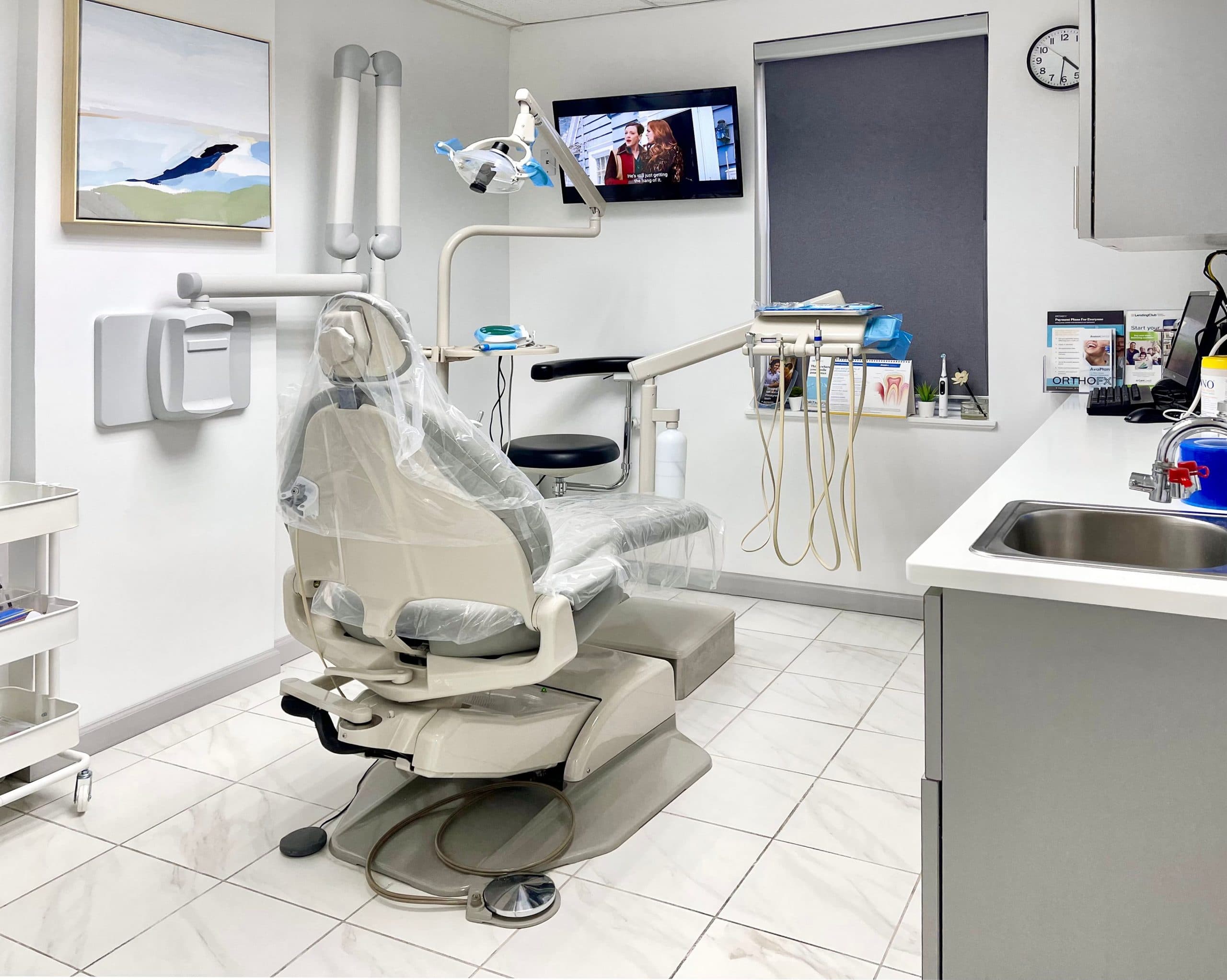
Dental crowns for tooth protection are custom-fitted caps placed over a damaged or weakened tooth to restore its strength, shape, and function. Crowns cover the entire visible portion of the tooth above the gum line, acting as a permanent shield against further breakage, decay, or wear. According to the National Center for Health Statistics, a single crown is one of the most common restorative dental procedures performed in the United States, with over 15 million Americans currently having at least one crown. This article covers when a crown is needed, what materials are available, how the procedure works, how long crowns last, and how to take care of them.
When a Dental Crown Is Needed to Protect a Tooth
A dental crown is needed when a tooth has lost too much structure to be supported by a filling alone. The American Dental Association notes that crowns are commonly recommended for teeth that are damaged, weakened, or have undergone significant restorative work. Several specific situations call for this level of protection.
A tooth with a large cavity that has destroyed more than half of its structure is a strong candidate for a crown. At that point, there is not enough healthy enamel and dentin left to hold a filling securely. A crown wraps around the remaining tooth and distributes biting force evenly, preventing fracture.
Cracked or fractured teeth also benefit from crowns. The Cleveland Clinic reports that large dental fillings and root canal treatment can weaken teeth and increase the chance of cracking, especially on back teeth that absorb heavy chewing pressure. The Academy of General Dentistry estimates that over 40 million adults in the U.S. suffer from bruxism (teeth grinding), which is a leading cause of cracked and worn-down teeth over time.
After a root canal, a crown is almost always recommended for back teeth. The tooth no longer receives moisture and nutrients from the pulp, making it more brittle. According to a study cited by the American Association of Endodontists, root canal-treated teeth without crowns were six times more likely to be lost than those restored with crowns.
Patients throughout Flushing, Bayside, and Queens who are experiencing a cracked tooth, a failing old filling, or sensitivity from a weakened tooth should schedule an exam so we can evaluate whether a crown is the right option.
Families looking for a dentist in Queens who offers modern crown restorations can visit our office for a thorough evaluation.
Types of Dental Crown Materials
Dental crowns can be made from several different materials. The right choice depends on which tooth needs the crown, how much biting force it handles, and your cosmetic preferences.
Porcelain and ceramic crowns are the most popular choice for visible teeth because they closely match the color and translucency of natural enamel. Studies published in Clinical Oral Implants Research show that all-ceramic crowns have 5-year survival rates of approximately 90% to 95%. Modern ceramics like lithium disilicate are much stronger than earlier versions and work well on both front and back teeth.
Zirconia crowns are made from zirconium dioxide, a ceramic material known for exceptional strength. A large systematic review found that zirconia single crowns had a 5-year survival rate of 98.3%. Zirconia resists chipping and fracture better than traditional porcelain, making it an excellent option for molars that take heavy chewing forces. Many zirconia crowns last 15 to 20 years or longer with proper care.
At our Flushing office, we use porcelain crowns that contain no metal, so they look completely natural even as the gum line changes over time. You will not see the dark metal line that older crown types sometimes show. Our cosmetic dentistry services include custom-matched porcelain crowns that blend seamlessly with your surrounding teeth.
Porcelain-fused-to-metal (PFM) crowns combine a metal base with a porcelain outer layer. They offer good strength and a natural look, though the metal underneath can sometimes create a dark line at the gum margin. PFM crowns typically last 10 to 15 years.
Gold and metal alloy crowns are the most durable option available. According to the ADA, gold crowns can last 20 years or more, and research shows metal crowns have survival rates exceeding 95% at the 10-year mark. They are best suited for back teeth where appearance is less of a concern.
How a Dental Crown Is Placed
Getting a dental crown typically involves two visits to the dentist. The process is straightforward and designed to be as comfortable as possible.
During the first visit, we numb the tooth with a local anesthetic. We then reshape the tooth by removing a thin layer of enamel from all sides to make room for the crown. If the tooth is severely broken down, we may need to build it up with a core material first. Once the tooth is shaped, we take a detailed impression using an intraoral scanner or traditional mold. This impression is sent to a dental lab where your crown is custom-made to match the exact size, shape, and color of your natural teeth.
Before you leave, we place a temporary crown to protect the prepared tooth while the permanent crown is being made. The lab process typically takes about two weeks. According to the ADA, advances in dental lab technology and CAD/CAM milling have improved the precision and fit of modern crowns significantly.
At the second visit, we remove the temporary crown, check the fit and color of the permanent crown, and cement it into place. We check your bite carefully using marking paper to make sure the crown sits evenly with your other teeth.
Patients in Fresh Meadows, Whitestone, and the surrounding Queens neighborhoods can complete both visits at our office on Northern Blvd in Flushing, with minimal disruption to their schedule.
How Long Dental Crowns Last
How long dental crowns last depends on the material, the location of the tooth, and your daily habits. With proper care, most crowns last between 10 and 15 years, and many last significantly longer.
| Crown Material | Average Lifespan | 5-Year Survival Rate | Best For |
| All-Ceramic / Porcelain | 10 to 15 years | 90% to 95% | Front teeth, visible areas |
| Zirconia | 15 to 20+ years | 95% to 98% | Back teeth, heavy chewing areas |
| Porcelain-Fused-to-Metal | 10 to 15 years | 83% to 97% | Back teeth needing strength and aesthetics |
| Gold / Metal Alloy | 20+ years | 95%+ | Molars, patients who grind teeth |
Sources: American Dental Association, Journal of Prosthodontics, Clinical Oral Implants Research, systematic reviews on crown survival rates
The biggest threats to crown longevity are teeth grinding, poor oral hygiene, chewing on hard objects like ice, and decay forming at the margin where the crown meets the natural tooth. Patients who grind their teeth should wear a night guard to protect both their crowns and their natural teeth.
Patients across Long Island who have older crowns that feel loose or look discolored can visit our office for an evaluation. A routine dental exam with X-rays is the best way to check the condition of an existing crown.
Residents near Bayside who want to stay ahead of potential crown problems benefit from keeping up with twice-yearly visits.
Dental Crowns vs. Large Fillings
One of the most common questions patients ask is whether they need a crown or if a large filling will do the job. The answer depends on how much healthy tooth structure remains.
A filling works by replacing the decayed portion of a tooth. It sits inside the tooth. A crown works by covering the entire tooth from the outside, holding everything together. When more than half of the tooth’s structure has been lost to decay, fracture, or previous dental work, a filling alone may not provide enough support to withstand daily chewing forces.
According to the ADA, direct restorative materials like composite fillings are placed directly into the cavity, while crowns are used when greater structural support is needed. A tooth with a very large filling is more vulnerable to cracking because the filling does not reinforce the walls of the tooth the way a crown does.
We often see patients at our Flushing practice who have old, oversized fillings that are starting to show cracks or gaps. In these cases, replacing the filling with a crown can prevent a much bigger problem down the road, like a complete fracture that could require extraction. Our general dentistry team can assess whether your filling is still doing its job or whether a crown is a better fit.
If you have noticed early signs of cavities around an existing large filling, getting it evaluated now gives you more options and less invasive treatment.
Caring for Your Dental Crown
Caring for a dental crown is no different from caring for your natural teeth. Good daily habits protect the crown, the underlying tooth, and the surrounding gum tissue.
Brush twice a day with a fluoride toothpaste and floss every day. Pay special attention to the area where the crown meets the gum line. Plaque and bacteria can build up at this margin and cause decay in the natural tooth underneath the crown. According to the NIDCR, tooth decay remains the most common chronic disease in adults, and the tooth beneath a crown is not immune.
Avoid chewing on hard objects. Ice, popcorn kernels, hard candy, and pen caps can chip or crack a crown, especially porcelain crowns on front teeth. If you grind your teeth at night, ask your dentist about a custom night guard.
Keep up with your dental cleanings every six months. During these visits, we check the fit and condition of your crown, look for signs of decay at the margins, and clean areas that are hard to reach at home. The ADA recommends these twice-yearly visits as the foundation of preventive care.
Residents in Auburndale, Murray Hill, and Little Neck who have crowns should make regular checkups a priority to catch any issues early.
Crowns After Root Canal Treatment
Most back teeth that have undergone root canal treatment will need a crown afterward. This is because the procedure removes the pulp from inside the tooth, leaving it more brittle and prone to fracture under everyday biting pressure.
The American Association of Endodontists notes that placing a crown after a root canal is especially important for molars and premolars that handle the heaviest chewing forces. Front teeth may not always need a crown if enough healthy structure remains and the tooth does not bear significant pressure. Your dentist evaluates these factors on a case-by-case basis.
According to Mayo Clinic, after a root canal the final stage of treatment is restoring the tooth, typically with a crown, so it can function like a natural tooth and last a lifetime with proper care.
If you are experiencing symptoms that may point to a deeper tooth problem, such as lingering pain, swelling, or sensitivity to heat, our team can evaluate whether a root canal and crown are needed. Patients dealing with sudden dental pain can reach us for emergency dental care at our Flushing location.
For more on the signs that a root canal may be necessary, our blog on the 10 signs you need a root canal breaks down the warning signals to watch for.
Frequently Asked Questions
Is It Good to Get a Crown to Protect a Tooth?
Getting a crown to protect a tooth is a good decision when the tooth is cracked, heavily restored, or weakened by decay or root canal treatment. A crown covers the entire visible portion of the tooth and absorbs biting forces that would otherwise cause the tooth to fracture. According to the ADA, crowns are one of the most effective ways to restore a damaged tooth and prevent further problems. Not every tooth needs a crown, but when the remaining structure is too compromised for a filling, a crown is the most reliable long-term solution.
Why Do Dentists Push for Crowns?
Dentists recommend crowns when a tooth has lost too much structure to be safely restored with a filling alone. A tooth with a large cavity, a crack, or a history of root canal treatment is at a higher risk of breaking during normal chewing. The goal is to prevent a more serious outcome like a complete fracture or tooth loss. According to the American Association of Endodontists, root canal-treated teeth without crowns are six times more likely to be lost. The recommendation is based on protecting the tooth long-term, not on preference.
How Many Years Do Dental Crowns Last?
Dental crowns last an average of 10 to 15 years, but many last significantly longer depending on the material and how well they are maintained. Gold and metal crowns can last 20 years or more according to the ADA. Zirconia crowns have shown 5-year survival rates above 95% in systematic reviews and often last 15 to 20 years. All-ceramic crowns typically last 10 to 15 years. Good oral hygiene, regular dental visits, and avoiding hard foods all help extend the life of a crown.
What Is a Good Substitute for a Crown?
A good substitute for a crown depends on the specific situation. For teeth with moderate damage, an onlay or inlay can restore the tooth while preserving more natural structure than a full crown. Onlays cover one or more cusps of the tooth, while inlays fit within the cusps.
Porcelain veneers are an option for front teeth that need cosmetic improvement rather than structural protection.
For teeth that are too damaged even for a crown, dental implants topped with custom porcelain crowns may be the best path forward. Your dentist will recommend the most conservative option that still provides adequate protection.
Why Does It Take 2 Weeks to Make a Crown?
It takes about 2 weeks to make a crown because the restoration is custom-fabricated in a dental lab. After the dentist prepares the tooth and takes a detailed impression, the lab uses that impression to design and mill a crown that matches the exact shape, size, and color of your natural teeth. According to the ADA, modern labs use CAD/CAM technology and high-quality materials to produce crowns with a precise fit. The process includes designing the crown digitally, milling it from a solid block of ceramic or zirconia, staining and glazing it for a natural look, and performing quality checks before shipping it to your dentist.
What Happens After 20 Years of Veneers?
After 20 years, porcelain veneers may show signs of wear, chipping, or slight discoloration at the edges. The bond between the veneer and the tooth can weaken over time, and the gum line may recede, exposing the edge of the veneer. At that point, the veneers may need to be replaced. According to dental research, porcelain veneers have a survival rate of approximately 85% to 93% at the 15-year mark. With excellent oral hygiene and regular dental visits, some patients get even more life out of their veneers. Our team can evaluate the condition of aging veneers and recommend the best next step.
Making the Right Choice for Your Smile
A dental crown is one of the most reliable ways to protect a tooth that has been weakened by decay, fracture, or extensive dental work. With today’s materials and techniques, crowns look natural, last for years, and restore full chewing function so you can eat, speak, and smile with confidence.
If you have a tooth that feels sensitive, has a visible crack, or has a large old filling that may be failing, now is the right time to have it evaluated. Early treatment gives you the widest range of options and the best chance of saving the tooth.
Our team at Avalon Dental in Flushing is here to help patients across Queens, Long Island, Bayside, Kew Gardens, and the broader New York metro area protect their smiles for the long term.
We provide comprehensive dental care at our office located at 201-03 Northern Blvd, 1st Floor, Flushing, NY 11361, with evening and weekend hours to fit your schedule.
Patients near Fresh Meadows and the surrounding communities are welcome to call or book online to schedule a consultation.