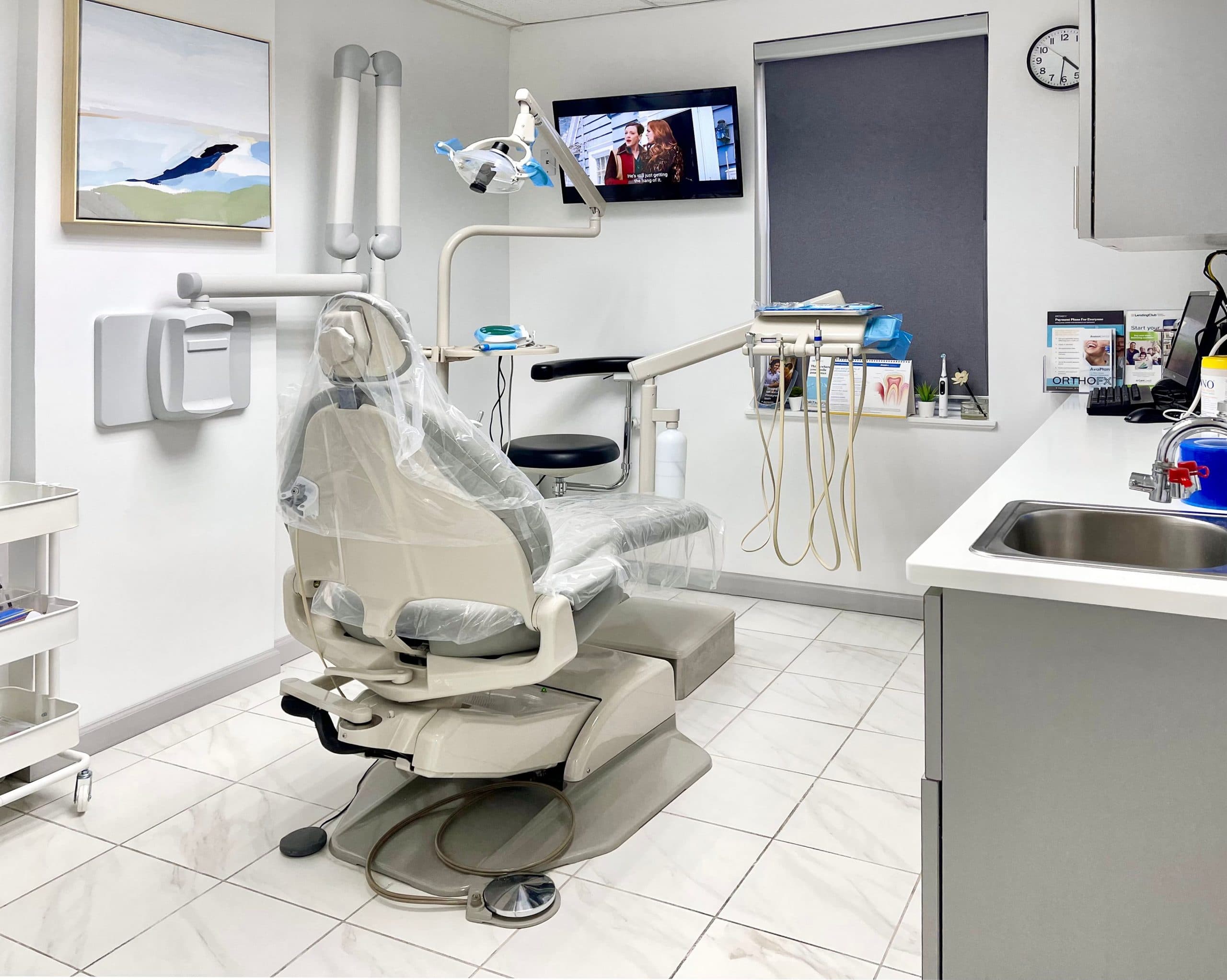
General dentistry and preventive oral care form the foundation of a healthy mouth at every age. Preventive care includes routine checkups, professional cleanings, digital X-rays, fluoride treatments, dental sealants, and oral cancer screenings. According to the CDC, over 90% of adults aged 20 to 64 have had at least one cavity in their lifetime, and nearly 47% of adults over 30 show signs of gum disease. Most of these problems are preventable with regular dental visits and good daily habits. This article explains what general dentistry covers, why preventive care matters, and how consistent dental visits protect your teeth, your gums, and your overall health.
What General Dentistry and Preventive Oral Care Include
General dentistry and preventive oral care include all the services that keep your mouth healthy and catch problems before they become painful or expensive. This covers routine exams, professional cleanings, X-rays, fillings, gum disease treatment, root canals, extractions, and oral cancer screenings.
Preventive care is the proactive side of general dentistry. Instead of waiting for something to hurt, preventive visits find decay, infection, and gum disease early. The American Dental Association recommends that most people visit their dentist every 6 months for a checkup and cleaning. These visits are quick, usually painless, and far less costly than the treatments needed when problems go undetected.
For families in Flushing and the surrounding areas of Queens, staying on a consistent 6-month schedule is the single most effective way to avoid surprise dental issues.
A routine checkup exam gives your dentist a full picture of your oral health, including areas you cannot see or feel on your own.
Why Preventive Dental Visits Matter More Than Most People Realize
Preventive dental visits do more than clean your teeth. They protect your health in ways that most people underestimate.
According to CDC data, only about 63% of adults aged 18 to 64 visited a dentist in the past year. That means more than one-third of adults are skipping the visits that catch cavities, gum disease, and oral cancer early. The ADA reports that 40% of adults only visit a dentist when they already have a problem, which often means the issue has progressed to a point where treatment is more invasive and expensive.
The financial case for prevention is clear. During 1996 to 2013, about 70% of the $26.5 billion spent on children’s dental care in the United States went toward preventive services like exams, cleanings, and X-rays, according to the CDC. Investing in prevention upfront costs a fraction of what restorative work requires later.
Patients in Bayside and Fresh Meadows who keep up with their preventive visits consistently need fewer fillings, fewer root canals, and fewer emergency appointments over time.
Skipping regular visits also means missing the chance for early professional dental cleanings that remove tartar buildup before it leads to gum disease.
What Happens During a Preventive Dental Visit
A preventive dental visit typically includes several steps, each designed to evaluate a different part of your oral health.
Your dentist reviews your medical history and asks about any changes in your health, medications, or symptoms. Digital X-rays may be taken to detect cavities, bone loss, infections, or impacted teeth that are not visible during a visual exam. Your dentist then examines each tooth for decay, cracks, wear, and old restorations that may need attention.
Your gums are checked for signs of inflammation, recession, or periodontal disease. An oral cancer screening is also performed, where the dentist examines your tongue, throat, cheeks, and soft tissues for abnormal spots or lesions. According to the National Cancer Institute, the five-year survival rate for oral cancer caught at an early, localized stage is approximately 84%. When diagnosed late, that rate drops to around 38% for metastatic cases. This screening alone is reason enough to keep up with dental visits.
A professional cleaning follows the exam. Your hygienist removes plaque and tartar from areas that brushing and flossing miss, especially along the gumline and between teeth. The visit ends with polishing and, if needed, a fluoride treatment to strengthen enamel.
Patients throughout Kew Gardens and Whitestone who complete these visits every 6 months have a much lower risk of serious dental problems.
Gum Disease: The Silent Threat Preventive Care Catches Early
Gum disease, formally called periodontal disease, is one of the most common chronic conditions in the United States. According to CDC research, approximately 47% of adults aged 30 and older have some form of gum disease. Among adults 65 and older, that number rises to 70.1%. The early stage, called gingivitis, causes red, swollen gums that bleed easily. Left untreated, it advances to periodontitis, which destroys the bone supporting your teeth and is a leading cause of tooth loss.
Gum disease is often painless in its early stages. Most people do not know they have it until a dentist identifies it during a routine exam. This is one of the main reasons preventive visits are so important.
Research has also linked advanced gum disease to systemic health problems including heart disease, diabetes complications, stroke, and respiratory issues. Treating gum disease early with scaling and root planing (deep cleaning) and regular periodontal maintenance can stop the progression and protect both your mouth and your body.
Patients in Flushing who are diagnosed with early gum disease can often reverse it completely with a combination of professional periodontal treatment and improved home care habits.
Dental Sealants and Fluoride: Prevention for All Ages
Dental sealants and fluoride treatments are two of the most effective and affordable preventive tools in dentistry.
Sealants are thin coatings painted onto the chewing surfaces of back teeth (molars), where 9 out of 10 cavities occur in children. According to the CDC, dental sealants prevent 80% of cavities on molars. Children aged 6 to 11 without sealants have almost three times more first molar cavities than children with sealants. Sealants are quick to apply, painless, and can protect teeth for years.
Fluoride strengthens tooth enamel and makes it more resistant to acid attacks from bacteria and sugars. The CDC estimates that community water fluoridation reduces cavities by 30% to 50%. Professional fluoride treatments applied at your dentist’s office provide a stronger concentration than what is found in toothpaste or drinking water, offering additional protection for both children and adults at higher risk for decay.
Adults who are prone to cavities, have dry mouth, or wear orthodontic appliances like clear aligners also benefit from professional fluoride treatments during their regular visits.
Preventive vs. Restorative Dental Care: A Cost and Outcome Comparison
| Service | Category | Purpose | Typical Frequency |
| Routine Checkup and X-rays | Preventive | Early detection of decay, infection, oral cancer | Every 6 months |
| Professional Cleaning | Preventive | Remove plaque and tartar, prevent gum disease | Every 6 months |
| Dental Sealants | Preventive | Block cavities on molars (80% effective per CDC) | Once, with monitoring |
| Fluoride Treatment | Preventive | Strengthen enamel, reduce decay risk by 30-50% | Every 6 months |
| Composite Filling | Restorative | Repair a cavity after decay has occurred | As needed |
| Root Canal | Restorative | Save a tooth with deep infection or decay | As needed |
| Dental Crown | Restorative | Restore a severely damaged or treated tooth | As needed |
| Tooth Extraction | Restorative/Surgical | Remove a tooth that cannot be saved | As needed |
Data sourced from the American Dental Association, the CDC, and published clinical guidelines on preventive and restorative dental care.
The pattern is straightforward. Preventive services are scheduled, predictable, and affordable. Restorative services are reactive, less predictable, and more costly. Patients who stay on a preventive schedule spend less on dental care over their lifetime.
Daily Habits That Support Preventive Oral Care
Professional cleanings and exams are essential, but what you do at home between visits matters just as much. The ADA recommends brushing twice a day for two minutes with a fluoride toothpaste and cleaning between teeth once daily with floss or an interdental cleaner.
According to a Delta Dental survey, only about 70% of Americans brush their teeth twice a day, and the average brushing time is just 1 minute and 52 seconds, which falls short of the recommended two minutes. Only 4 in 10 Americans floss daily. These small gaps in daily care allow plaque to harden into tartar, which can only be removed by a dental professional.
A consistent home routine combined with twice-yearly professional cleanings gives your teeth and gums the best possible protection against decay and gum disease.
Families across Long Island and Murray Hill who build these habits early, especially with children, set the stage for a lifetime of healthy teeth.
Children and Preventive Dentistry
Preventive dentistry is especially important for children. According to CDC data, over 50% of children aged 6 to 8 have had a cavity in their baby teeth. Children from lower-income households are more than twice as likely to have untreated cavities. An estimated 51.7 million school hours are lost each year due to dental problems.
The ADA recommends that children have their first dental visit by age 1 or within 6 months of the first tooth erupting. Early visits allow the dentist to monitor tooth development, apply sealants and fluoride, and catch problems before they cause pain or affect a child’s ability to eat, speak, or learn.
We see children of all ages at our Flushing office. Our team is trained to make dental visits comfortable and even fun for young patients, with child-friendly entertainment and a gentle approach that reduces anxiety.
Parents in Auburndale and Little Neck who start their children on a regular dental schedule early are helping them avoid the pain and cost of cavities that could have been prevented.
For children who need restorative work like fillings or baby root canals, pediatric dental services are available on-site.
How Preventive Care Protects More Than Your Teeth
Your mouth is connected to the rest of your body. Decades of research have established links between poor oral health and serious systemic conditions. The CDC and NIH have both documented associations between periodontal disease and cardiovascular disease, diabetes, respiratory infections, and complications during pregnancy.
Bacteria from infected gums can enter the bloodstream and contribute to inflammation in other parts of the body. People with diabetes are especially vulnerable because gum disease can make blood sugar harder to control, and high blood sugar makes gum infections worse. It becomes a cycle that is difficult to break without proper dental care.
Routine preventive dental visits break that cycle by catching gum infections early and keeping bacterial levels in the mouth under control.
For patients in Queens with chronic health conditions, maintaining a regular schedule of dental cleanings is an important part of managing their overall health.
Frequently Asked Questions
What Comes Under Preventive Dentistry?
Preventive dentistry includes all services aimed at keeping teeth and gums healthy before problems develop. This covers routine checkup exams, professional cleanings, digital X-rays, fluoride treatments, dental sealants, oral cancer screenings, and patient education on brushing and flossing. According to the ADA, preventive visits every 6 months are the standard recommendation for most patients.
What Is the Difference Between General Dental and Preventive Dental?
The difference between general dental and preventive dental care is scope. General dentistry covers a wide range of treatments including fillings, root canals, crowns, extractions, and gum disease treatment. Preventive dental care is a specific category within general dentistry that focuses on stopping problems before they start through cleanings, exams, sealants, and fluoride. Both work together to maintain oral health.
Can a General Dentist Treat a Gum Abscess?
A general dentist can treat a gum abscess in most cases. Treatment typically involves draining the abscess, prescribing antibiotics if needed, and addressing the underlying cause, which may be a deep cavity, gum disease, or a cracked tooth. In severe cases, a root canal or extraction may be necessary. If facial swelling, fever, or difficulty breathing accompanies the abscess, visit an emergency room immediately.
For non-life-threatening dental infections, our Flushing office provides same-day emergency dental care including incision and drainage, emergency root canals, and extractions.
What Are the Signs of a Severe Tooth Infection?
The signs of a severe tooth infection include intense, throbbing pain that may radiate to the jaw, ear, or neck; swelling in the face or cheek; fever; a foul taste in the mouth; sensitivity to hot and cold; swollen lymph nodes; and difficulty opening the mouth or swallowing. These symptoms require prompt dental attention. According to the ADA, untreated dental infections can spread to surrounding tissues and in rare cases become life-threatening.
What Is a Silent Tooth Abscess?
A silent tooth abscess is a dental infection that develops without noticeable pain or obvious symptoms. The infection may be slowly destroying bone or tissue around the tooth root without the patient feeling anything. Silent abscesses are often discovered only through routine dental X-rays during a checkup exam. This is one of the strongest arguments for keeping up with regular dental visits even when nothing feels wrong.
Will the ER Pull a Tooth if It Is Infected?
The ER will typically not pull a tooth if it is infected. Emergency rooms can prescribe antibiotics and pain medication to manage symptoms, but they do not perform dental procedures like extractions or root canals. Patients are usually referred to a dentist or oral surgeon for definitive treatment. Our office has an on-site oral and maxillofacial surgeon who handles complex extractions and surgical cases.
Why Do Dentists No Longer Pull Teeth?
Dentists no longer pull teeth as a first option because modern dentistry prioritizes saving natural teeth whenever possible. Treatments like root canals, crowns, and periodontal therapy can restore damaged teeth and keep them functional for years. Extraction is reserved for teeth that are too severely decayed, fractured, or infected to save. When extraction is necessary, replacement options like dentures or dental implants restore both function and appearance.
Where to Go From Here
Preventive oral care is the most effective and affordable way to keep your teeth and gums healthy for life. The data is consistent: patients who visit their dentist every 6 months, brush twice daily, and floss once a day have dramatically fewer cavities, less gum disease, and lower dental costs over time.
Whether you are due for your next cleaning, bringing your child in for a first visit, or getting back on track after time away, we are here to help. At Avalon Dental on Northern Blvd in Flushing, our team offers comprehensive general dentistry and preventive care for the entire family in a modern, comfortable office.
Patients across Queens, Bayside, Long Island, and the greater New York metro area can schedule an appointment by phone or online. Our multilingual team speaks English, Mandarin, Cantonese, Spanish, and Korean, and we accept a wide range of insurance plans to make care accessible.