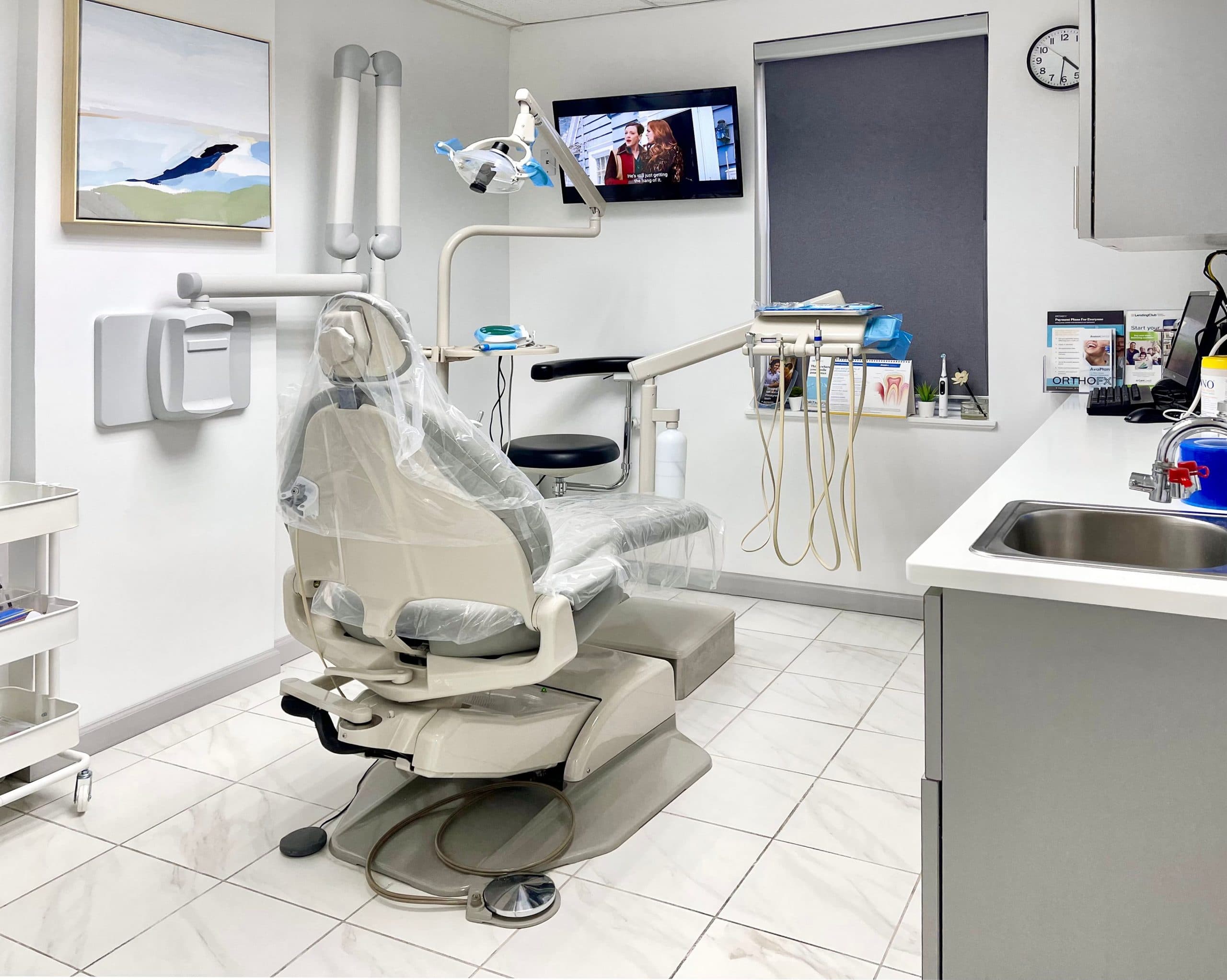
Gum inflammation, also called gingivitis, is an early form of gum disease caused by bacterial plaque buildup along the gumline. The good news is that gingivitis is fully reversible with professional dental cleanings and good daily oral hygiene. According to the CDC, about 47.2% of American adults aged 30 and older have some form of periodontal disease. That means nearly half the adult population is dealing with gum problems right now. This article covers what gum inflammation actually is, how to spot it early, how preventive dental care stops it from getting worse, and the daily habits that keep your gums healthy long term.
How Gum Inflammation Develops and What It Means for Your Oral Health
Gum inflammation begins when plaque, a sticky film of bacteria, builds up on your teeth and along the gumline. Plaque forms naturally every day. If it is not removed through brushing and flossing, it hardens into tartar within 24 to 72 hours. Tartar can only be removed during a professional dental cleaning.
Once tartar forms below the gumline, the bacteria trigger your body’s immune response. This leads to redness, swelling, and bleeding in the gum tissue. That response is gingivitis. According to the National Institutes of Health (NIH), gingivitis is a reversible condition that does not involve loss of bone or the structures that hold your teeth in place. It stays confined to the soft tissue of the gums.
The problem is that many people do not realize they have it. The ADA notes that gum disease is often painless in its early stages, so it can go unnoticed for months or even years. That is why routine dental checkup exams are so important for catching inflammation before it progresses.
If gingivitis is left untreated, it can advance to periodontitis. Periodontitis damages the bone and ligaments that support your teeth. According to the CDC, about 8.5% of American adults have severe periodontitis, which can lead to tooth loss. The World Health Organization estimates that severe periodontal disease affects more than 1 billion people worldwide.
Common Signs of Gum Inflammation
The most common signs of gum inflammation include redness, swelling, tenderness, and bleeding when you brush or floss. Healthy gums are firm and pale pink. Inflamed gums look puffy, dark red, and may feel sore to the touch.
You may also notice persistent bad breath that does not go away after brushing. This happens because bacteria trapped in plaque and tartar release sulfur compounds as they break down food particles. Some people experience gums that feel tender when eating or a bad taste in the mouth.
Bleeding gums are not normal. If your gums bleed during brushing or flossing, that is a sign that inflammation is already present. Patients in Flushing, NY and throughout Queens who notice these symptoms should schedule a professional dental cleaning as soon as possible. Early treatment makes all the difference.
Residents near Bayside who have been putting off a dental visit should know that catching gingivitis early is the single best way to prevent it from turning into something more serious. A study published in the Journal of Periodontology found that individuals who floss regularly have lower rates of gum disease and tooth loss than those who do not.
How Preventive Dental Care Protects Your Gums
Preventive dental care is the most effective way to stop gum inflammation before it starts. It includes professional cleanings, dental exams, digital X-rays, and personalized oral hygiene guidance from your dental team. The American Dental Association recommends visiting your dentist every six months for a checkup and cleaning.
During a preventive visit, your dental hygienist removes plaque and tartar from all surfaces of your teeth, including below the gumline where your toothbrush cannot reach. This is critical because once plaque hardens into tartar, no amount of brushing or flossing at home can remove it. Only professional instruments can do that job.
We also perform a full gum health assessment at every visit. This includes measuring the depth of the pockets between your gums and teeth. Healthy pockets measure 1 to 3 millimeters. Pockets deeper than 4 millimeters may indicate the beginning of periodontal disease. Catching pocket depth changes early gives us the chance to intervene before bone loss occurs.
For patients who already show signs of gum disease, we may recommend periodontal maintenance every three months instead of every six. As noted on our general dentistry page, periodontal maintenance targets deeper areas below the gumline to control bacteria and keep inflammation from returning.
What Happens During a Professional Cleaning for Inflamed Gums
A professional cleaning for inflamed gums starts with a thorough examination of your teeth and gums. Your dental hygienist uses specialized instruments to remove plaque and tartar buildup from above and below the gumline. This process is called scaling.
After scaling, your teeth are polished to remove surface stains and smooth out the tooth surfaces. Smooth surfaces make it harder for plaque to stick and accumulate between visits. Your hygienist may also apply fluoride to strengthen your enamel.
If your gum inflammation is more advanced, your dentist may recommend a deeper cleaning called scaling and root planing. This procedure cleans the root surfaces of your teeth below the gumline and smooths out rough areas where bacteria tend to collect. According to the NIH, this treatment can help gums reattach to the teeth and reduce pocket depth over time.
Families throughout Flushing and Fresh Meadows who need a teeth cleaning in the Flushing area can take advantage of our late night and weekend hours. We see patients Monday through Saturday, making it easier to fit preventive care into a busy schedule.
Daily Habits That Keep Gum Inflammation Away
Professional cleanings are only part of the equation. What you do at home every day matters just as much. The foundation of gum health is brushing twice a day with fluoride toothpaste and flossing at least once a day.
Brushing alone only reaches about 60% of your tooth surfaces. The remaining 40%, the areas between your teeth, can only be cleaned effectively with floss or an interdental cleaner. The ADA states that interdental cleaning is essential for removing plaque and debris from areas that a toothbrush cannot reach. Skipping this step allows bacteria to build up between teeth, right where gum inflammation starts.
Use a soft-bristled toothbrush and angle it at 45 degrees toward your gumline. Brush gently in short strokes. Aggressive brushing can actually irritate your gums and wear down enamel over time. Replace your toothbrush every three to four months, or sooner if the bristles are frayed.
Patients who struggle with cavities or early signs of decay between teeth may benefit from reading about the early warning signs of cavities and how to address them quickly.
Avoiding tobacco is also essential. According to the CDC, current smokers have a 64.2% rate of periodontal disease. Smoking weakens the immune system, making it harder for your body to fight off gum infection and slowing down the healing process after dental treatment.
The Connection Between Gum Health and Overall Health
Gum disease does not just affect your mouth. A growing body of research connects periodontal disease to serious health conditions throughout the body. In December 2025, the American Heart Association published a scientific statement in its journal Circulation outlining increasing evidence that gum disease is associated with cardiovascular events, including heart attack, stroke, atrial fibrillation, and heart failure.
The connection comes down to inflammation. When your gums are chronically inflamed, bacteria can enter the bloodstream and trigger inflammatory responses in other parts of the body. Research highlighted by the AHA found that people who brushed three or more times per day had a 10-year cardiovascular risk of 7.35%, compared to 13.7% for those who brushed once a day or less.
The American Diabetes Association also notes that the relationship between diabetes and gum disease goes both ways. Gum disease can make it harder for people with diabetes to control their blood sugar. And uncontrolled blood sugar increases the risk of gum infection. This two-way relationship makes preventive dental care especially important for patients managing diabetes.
Harvard Health reports that bacteria from infected gums have been found within atherosclerotic blood vessels far from the mouth, suggesting that oral bacteria can travel through the bloodstream and contribute to vascular damage. Studies have also linked periodontal disease to rheumatoid arthritis and adverse pregnancy outcomes.
Patients near Long Island who are managing chronic health conditions should consider how regular dental cleanings and gum care fit into their overall wellness plan.
Gingivitis vs. Periodontitis at a Glance
| Factor | Gingivitis | Periodontitis |
|---|---|---|
| Severity | Mild, early-stage gum disease | Advanced gum disease |
| Reversible | Yes, fully reversible with treatment | Not reversible; can be managed |
| Bone Loss | No bone loss occurs | Bone and ligament damage present |
| Symptoms | Red, swollen, bleeding gums | Receding gums, loose teeth, deep pockets |
| Treatment | Professional cleaning, daily brushing and flossing | Scaling and root planing, periodontal maintenance, possible surgery |
| Prevalence in U.S. Adults 30+ | Extremely common across all age groups | 47.2% have some form (CDC) |
| Risk if Untreated | Can progress to periodontitis | Can lead to tooth loss |
Sources: Centers for Disease Control and Prevention (CDC); National Institutes of Health (NIH); American Dental Association (ADA)
Patients who notice symptoms such as persistent pain, swelling in the jaw, or a tooth that feels loose should not wait for a scheduled cleaning. An emergency dental visit may be necessary to address a possible infection before it spreads.
Severe, untreated gum infections can sometimes lead to damage that requires more involved treatment. Knowing the warning signs that a root canal may be needed can help you act quickly if symptoms intensify.
Frequently Asked Questions
What Will a Dentist Do for Gum Inflammation?
A dentist will treat gum inflammation by performing a professional cleaning to remove plaque and tartar from your teeth and below the gumline. If the inflammation is more advanced, your dentist may recommend scaling and root planing, which is a deeper cleaning that smooths the root surfaces and helps your gums heal. Your dentist will also evaluate your oral hygiene routine and provide specific recommendations for brushing and flossing techniques. According to the ADA, gingivitis is reversible, and a professional cleaning combined with improved daily care can resolve the condition.
Will Inflammation in the Gums Go Away?
Inflammation in the gums will go away if it is caught and treated at the gingivitis stage. Gingivitis is fully reversible with professional dental care and proper daily hygiene. The landmark 1965 study by Löe and Silness demonstrated that gingival health can be completely restored once proper oral hygiene practices are resumed. However, if gum inflammation is ignored and progresses to periodontitis, the damage to bone and supporting structures cannot be reversed. It can only be managed. That is why early intervention matters so much.
When Is It Too Late to Reverse Gum Disease?
It is too late to reverse gum disease once it has progressed beyond gingivitis into periodontitis. Gingivitis, the earliest stage, is the only form of gum disease that is fully reversible. Once periodontitis develops and bone loss begins, the damage becomes permanent. Treatment at that point focuses on stopping the disease from getting worse and managing symptoms through periodontal maintenance, scaling and root planing, and in some cases, surgical intervention. According to the CDC, about 8.5% of U.S. adults have severe periodontitis. Families across Flushing and Whitestone who suspect gum problems should schedule an exam promptly to determine what stage they are in.
Patients in the Kew Gardens area who have been away from the dentist for a while can start fresh with a comprehensive dental visit in Kew Gardens to get an accurate picture of their gum health.
What Not to Do with Gingivitis?
What not to do with gingivitis includes ignoring bleeding gums, skipping dental appointments, brushing too aggressively, and using tobacco. Many people stop flossing when their gums bleed, but this actually makes the problem worse. Bleeding is a sign of inflammation, and gentle, consistent flossing helps remove the bacteria causing it. Brushing with hard bristles or pressing too firmly can also irritate already inflamed gums. Tobacco use significantly increases the risk of gum disease. CDC data shows that smokers have a periodontal disease rate of 64.2%, compared to much lower rates among non-smokers.
What Worsens Gingivitis?
The factors that worsen gingivitis include poor oral hygiene, smoking, uncontrolled diabetes, hormonal changes, certain medications, and skipping regular dental visits. Plaque that is not removed daily builds up and hardens into tartar, which accelerates gum inflammation. The CDC reports that periodontal disease is more common in men (56.4%) than women (38.4%), and prevalence increases with age, reaching 70.1% in adults 65 and older. Stress and a diet low in essential nutrients can also weaken the immune system and make it harder for your body to fight gum infections.
Can I Reverse Gingivitis in 2 Weeks?
You can begin to reverse gingivitis in 2 weeks with consistent brushing, flossing, and a professional dental cleaning. Many patients notice a significant reduction in gum bleeding and swelling within 10 to 14 days of improving their daily oral hygiene routine. A professional cleaning jumpstarts the process by removing the tartar that home care alone cannot address. However, full resolution depends on the severity of the inflammation and how consistently you maintain your routine going forward. We recommend scheduling a follow-up visit to confirm that your gums are healing properly.
Residents near Murray Hill, Queens who want to get started on improving their gum health can easily reach our office on Northern Blvd for a dental visit near Murray Hill.
Can My Gums Grow Back from Gingivitis?
Your gums can recover from gingivitis because the condition does not cause permanent tissue destruction. Once the bacteria and tartar are removed through professional cleaning and your daily hygiene improves, the inflammation goes down and your gums return to a healthy state. The NIH confirms that gingivitis does not involve loss of attachment or bone, so the gum tissue remains intact and can heal. However, if gingivitis has already progressed to periodontitis and caused gum recession, the lost tissue typically does not grow back on its own. A periodontist may recommend grafting procedures in severe cases.
If gum disease has already led to tooth loss, implant dentistry offers a reliable way to restore both function and appearance.
Taking Control of Your Gum Health
Gum inflammation is one of the most common oral health problems, but it is also one of the most preventable. The data is clear. The Global Burden of Disease Study found that periodontal disease incidence surged by 76.32% from 1990 to 2021. The number of people affected continues to grow, yet the solution remains simple: brush twice a day, floss once a day, and see your dentist for regular cleanings and exams.
Patients throughout the New York metro area, from Queens and Bayside to Fresh Meadows and Little Neck, deserve a dental team that takes gum health seriously. Avalon Dental is located at 201-03 Northern Blvd in Flushing, NY 11361, and our multilingual team welcomes patients of all ages for preventive care, periodontal treatment, and everything in between.
If it has been more than six months since your last cleaning, or if you have noticed any bleeding, swelling, or tenderness in your gums, now is the right time to schedule a visit. Families across Queens can book an appointment online or by phone and take the first step toward healthier gums and a healthier smile.